Understanding Home Design Principles
When it comes to creating a beautiful and functional home, understanding fundamental design principles is vital. These principles help you navigate the complex world of home styling, which involves not just aesthetics but also the practical aspects of living. Whether you're redesigning a single room or planning a complete home overhaul, grasping these concepts will empower you to make informed decisions that reflect your personal taste and lifestyle needs. For additional insights and inspiration on room ideas, explore https://themeroomideas.com.
Key Elements of Aesthetic Appeal
Aesthetic appeal is often what first draws us to a space. When we think about aesthetics, we consider elements such as color, texture, and overall design coherence. Here are some key elements to focus on:
- Color Schemes: Colors can evoke emotions and set the mood of your space. Warm hues like reds and yellows can create a cozy atmosphere, while blues and greens promote calmness.
- Textures: Mixing different materials—such as soft fabrics with sturdy wood—adds depth and interest. For example, a velvet sofa paired with a rustic wood coffee table can create a beautiful contrast.
- Visual Hierarchy: Arrange furniture and decor to guide the eye effectively. Highlight focal points, such as artwork or a fireplace, to create a compelling viewing experience.
Balancing Functionality and Style
Functionality is essential in home design. Spaces should not only look good but also serve their intended purpose effectively. Achieving this balance involves thoughtful planning. Here are some strategies:
- Multi-Functional Furniture: Consider furniture that serves multiple purposes—such as a sofa bed or an ottoman that doubles as storage—especially in smaller spaces.
- Traffic Flow: Ensure that pathways are clear and that furniture is arranged to facilitate movement. Creating open spaces enhances both functionality and aesthetic flow.
- Storage Solutions: Integrate stylish storage options, such as built-in cabinets or decorative baskets, which help maintain a tidy appearance while keeping your space organized.
Creating Inviting Spaces
Inviting spaces are those that welcome you and make you feel at home. To create such environments, consider the following:
- Layered Lighting: Use a combination of ambient, task, and accent lighting to create different moods. Different light sources can transform a room's atmosphere, making it more inviting during various times of the day.
- Comfortable Textiles: Soft cushions, throws, and rugs add warmth and comfort to a space. Invest in quality materials to enhance both comfort and style.
- Personal Touches: Incorporate personal items such as photos, art, or heirlooms that tell your story. These elements make a space uniquely yours and inviting to others.
Current Trends in Home Decor
Home decor trends are continuously evolving, reflecting changes in lifestyle, technology, and aesthetics. In 2026, several exciting trends are expected to dominate the design landscape:
Exploring Color Palettes for 2026
As we look to 2026, color trends lean towards earthy tones and soft pastels, reminiscent of nature. Colors such as terracotta, sage green, and soft creams are gaining popularity, providing a calming backdrop for homes. These colors not only promote relaxation but also work well with a variety of decor styles, from modern minimalism to bohemian chic.
Furniture Styles That Are Making a Comeback
Retro and vintage furniture styles are resurging, with mid-century modern being particularly influential. Curved furniture pieces and bold patterns are making waves, bringing character and nostalgia into contemporary homes. When choosing furniture, consider timeless pieces that hold both aesthetic value and functional importance.
Embracing Sustainable Materials
In an age of increased environmental awareness, sustainable materials are at the forefront of home design. Eco-friendly options such as reclaimed wood, bamboo, and recycled metals not only reduce environmental impact but also add uniqueness to your space. Embracing sustainability allows you to create a home that reflects your values while maintaining style.
Room-Specific Styling Strategies
Each room in your home presents unique styling opportunities. By tailoring your approach to each space, you can enhance functionality while creating a cohesive design. Here are some strategies for key areas:
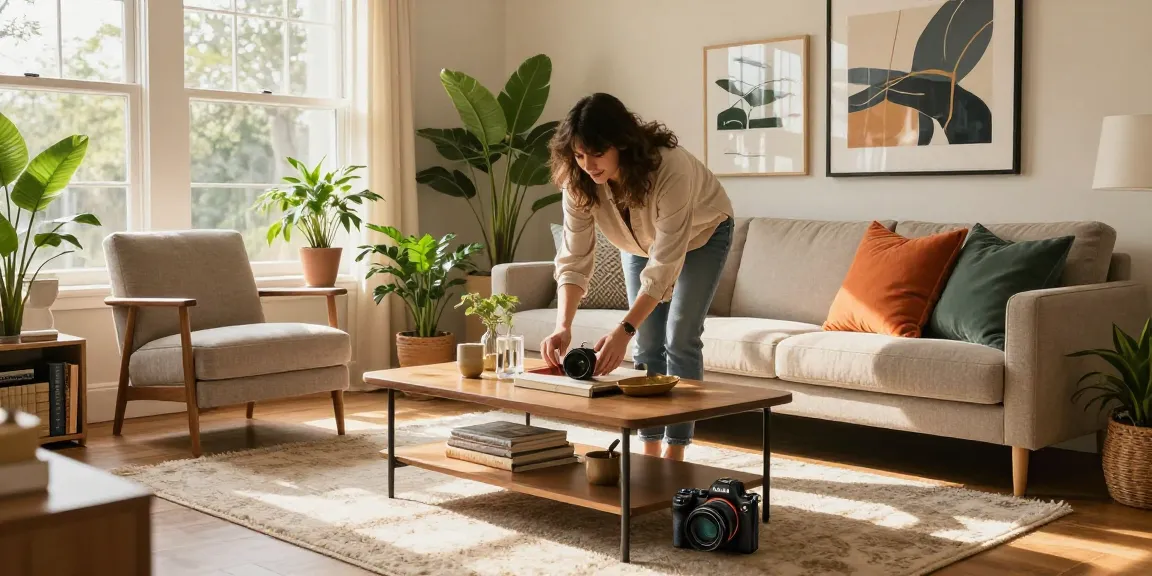
Living Room: Creating a Cozy Atmosphere
A living room is often the heart of the home, designed for relaxation and socializing. To cultivate a cozy atmosphere:
- Use Warm Colors: Opt for warm, inviting colors on your walls and furniture to create a welcoming space.
- Incorporate Comfort: Layering different textures with cushions, throws, and rugs adds warmth and comfort.
- Designate Zones: Create distinct areas for conversation, reading, or entertainment to enhance functionality.
Kitchen: Merging Functionality with Design
The kitchen serves as a workspace and a gathering place. Merging functionality with design involves:
- Efficient Layout: Consider a layout like the work triangle to maximize efficiency while cooking.
- Stylish Storage: Use open shelving and beautiful containers to combine storage with aesthetic appeal.
- Smart Appliances: Incorporate modern technology that enhances usability while aligning with your overall kitchen design.
Bedroom: Crafting a Tranquil Retreat
A bedroom should be a serene haven. To craft this atmosphere:
- Choose Calming Colors: Soft, muted colors can promote relaxation and restfulness.
- Quality Bedding: Invest in high-quality bedding and pillows for maximum comfort and a luxurious feel.
- Personalized Decor: Add personal touches that inspire peace, such as artwork or photographs that evoke happy memories.
Common Decorating Mistakes to Avoid
Even the most seasoned decorators can fall prey to common mistakes. Avoiding these pitfalls will enhance your home's design:
Overcrowding Spaces with Furniture
One of the most common errors is overcrowding a space with too much furniture or decor. Leave sufficient room for people to move freely, ensuring a balanced look.
Ignoring Scale and Proportion
Choosing items that do not fit the scale of the room can disrupt the overall harmony. Always measure before purchasing new pieces to ensure they complement your existing decor.
Neglecting Lighting Choices
Lighting is essential in home design, impacting both mood and functionality. Don't rely solely on overhead lighting; instead, incorporate multiple light sources to create a well-lit and inviting space.
Future of Home Design: Trends to Watch
As we look ahead, several trends are set to reshape the way we think about home design. These include:
Predictions for Smart Home Integration
Smart home technology is becoming a staple in modern design, offering enhanced convenience and security. From automated lighting to smart thermostats, integrating technology seamlessly into design will be essential.
Innovative Design Concepts for Limited Spaces
With urban living on the rise, innovative design solutions for small spaces are growing in importance. Consider foldable furniture, modular designs, and built-in storage to maximize efficiency.
How Technology is Shaping Interior Design
Advancements in technology are not only influencing smart home integration but also how we design interiors. Virtual reality and augmented reality are changing how designers interact with clients, creating immersive experiences that allow for better visualization of spaces.
What are the best home decor ideas for modern spaces?
Modern spaces often favor minimalism, natural light, and open layouts. Incorporating multifunctional furniture, neutral color palettes, and sustainable materials can elevate your decor.
How can I create a cozy atmosphere in my living room?
Create a cozy atmosphere through warm color schemes, layered textiles, and multiple lighting sources that allow for different moods.
What trends are expected to dominate home design in 2026?
Expect to see an emphasis on sustainable materials, earthy color palettes, and retro furniture styles in 2026's home design trends.
How do I choose the right color palette for my home?
Consider the mood you wish to create, the natural light in each room, and how different colors interact with each other when selecting your home’s color palette.
What are common mistakes to avoid in home styling?
Avoid overcrowding spaces, neglecting scale and proportion, and limiting yourself to a single light source to ensure better home styling outcomes.