
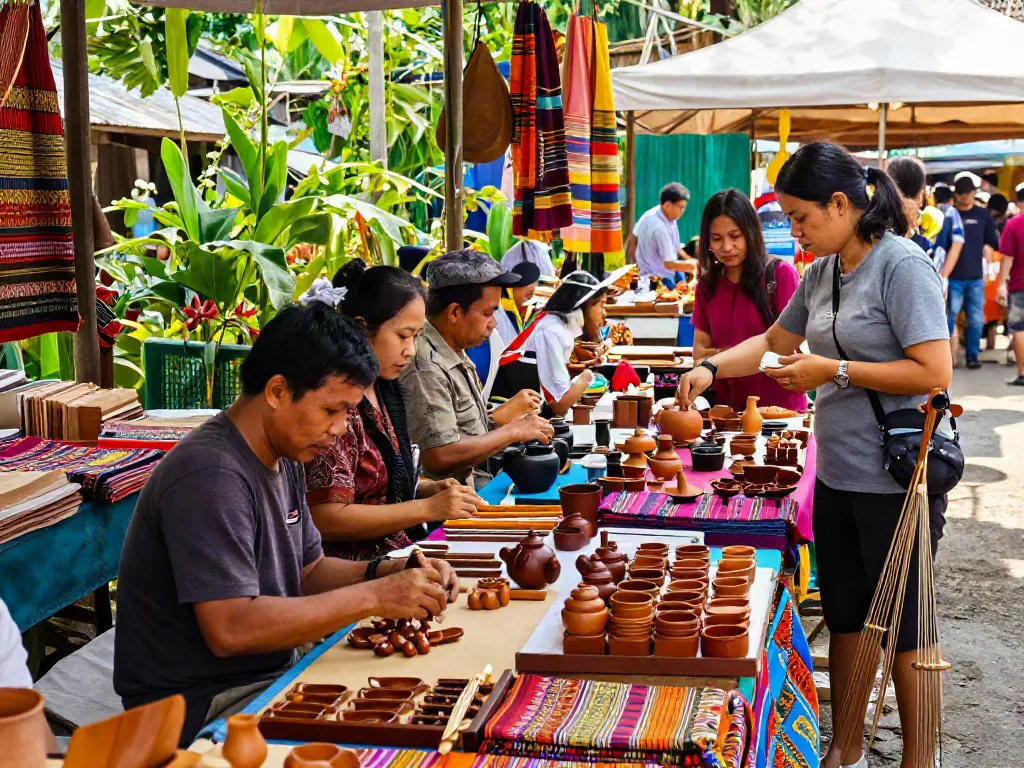
Understanding the Importance of Supporting Local Craftsmanship
In today's globalized marketplace, the allure of mass-produced goods often overshadows the unique offerings of local artisans. However, supporting local craftsmanship is more than just a trend; it represents a commitment to community, culture, and sustainability. Local crafts are not merely items; they embody the stories and traditions of their makers, reflecting unique techniques and cultural significance. When exploring options, https://rokok88.net provides comprehensive insights into the vibrant world of local craftsmanship, showcasing the talent and dedication of artisans.
Why Local Products Matter for Communities
Communities thrive when local artisans are supported. These craftsmen contribute not only to the local economy but also to the preservation of cultural heritage. By purchasing local products, consumers help to sustain traditional practices and the knowledge passed down through generations. Furthermore, local crafts often reflect a deep connection to the land and its resources, reinforcing the importance of regional ecosystems and sustainable practices.
Economic Benefits of Buying Local
Investing in local craftsmanship has profound economic implications. Studies indicate that for every $100 spent on local goods, approximately $68 remains in the community, compared to just $43 when spent at national chains. This reinforces local economic stability, creating jobs and fostering innovation. Additionally, supporting local craftsmanship encourages the creation of new enterprises, which can lead to a more diverse and resilient economy.
Cultural Significance of Traditional Crafts
Local crafts often tell the story of a community's values, history, and identity. They provide a sense of pride and belonging, helping to preserve cultural narratives that might otherwise be lost in a homogenized global market. By supporting these crafts, consumers not only acquire unique products but also participate in a larger narrative that honors and sustains their heritage.
Exploring Different Types of Local Crafts
Local craftsmanship encompasses a wide array of disciplines, each contributing to the rich tapestry of culture and tradition. From textiles to woodwork, the diversity of local crafts invites appreciation and exploration. Understanding these different types can help consumers make informed decisions and foster a deeper connection with the products they choose to support.
Textiles and Weaving Techniques
Textiles are foundational to many cultures around the world. Each weaving technique tells a story; for instance, Indonesian batik, recognized by UNESCO as an Intangible Cultural Heritage, uses intricate wax-resist dyeing methods to create beautiful fabrics. Supporting textiles like these not only promotes sustainable practices but also encourages the revival of traditional techniques that might otherwise fade away.
Handcrafted Pottery and Ceramics
Pottery is a timeless art form that melds functionality with aesthetics. Local potters often create pieces that reflect their community's culture through unique designs and glazes. Handcrafted ceramics not only serve practical purposes but also function as expressions of artistic identity, making every piece a conversation starter and a cherished keepsake.
Woodwork and Artisan Furniture
Furniture crafted by local artisans preserves traditional techniques while offering consumers sustainable and durable options. Each piece of handcrafted furniture carries its own story and character, significantly different from mass-produced alternatives. The use of locally sourced wood also promotes sustainable forestry practices, ensuring that resources are managed responsibly.
How to Spot Quality Local Products
As consumers, it's essential to recognize the indicators of quality when selecting local crafts. Knowing what to look for can help ensure that purchases are not only beautiful but also well-made and authentic.
Assessing Craftsmanship Standards
Quality craftsmanship can often be evaluated through the attention to detail and the innovative techniques employed. Explore whether artisans adhere to traditional methods and how they incorporate modern influences without compromising integrity. An authentic local product usually showcases a uniqueness that mass-produced goods lack.
Understanding Materials and Techniques
When buying local crafts, understanding the materials used is crucial. Local artisans often source their materials from the surrounding environment, which enhances both the sustainability and authenticity of their products. This connection to materials not only supports local economies but also fosters environmental stewardship through responsible sourcing practices.
Identifying Authenticity in Local Goods
Authenticity is key when purchasing local craftsmanship. Look for labels or certifications that indicate the product is indeed locally made. Engaging with artisans about their techniques and stories can also provide insight into the authenticity of a product. Always ask questions—an artisan is often proud to share their processes and inspirations.
Where to Find Local Crafts in Your Area
Connecting with local artisans and discovering their crafts can be an enriching experience. Various venues and platforms allow consumers to engage with and purchase directly from creators, ensuring that funds go directly to the makers.
Local Markets and Festivals
Attending local markets and craft fairs is an excellent way to find unique products and interact with artisans. These events typically feature a variety of creators, showcasing their skills and offering a diverse range of handmade goods. Participating in these markets supports the local economy while allowing consumers to learn more about the crafts they love.
Online Platforms Supporting Local Artisans
In the digital age, many artisans have embraced online platforms to reach a broader audience. Websites dedicated to promoting local crafts provide transparency and access to authentic products. Consumers can often find detailed stories behind each craft, along with the artisans’ philosophies and working processes, fostering a deeper connection and appreciation.
Community Workshops and Exhibitions
Many communities offer workshops where individuals can learn from local artisans. Not only does this experience support artisans directly, but it also educates consumers about the craftsmanship involved in creating their products. Participating in exhibitions can also enhance appreciation for the diversity and skill inherent in local crafts.
Future of Local Craftsmanship in 2026 and Beyond
The future of local craftsmanship appears both promising and challenging. As consumer awareness grows regarding sustainability and cultural heritage, local artisans are likely to see increased support. Nonetheless, navigating the complexities of modern commerce will require innovation and adaptation.
Emerging Trends in Local Craft Markets
One of the significant trends in local craft markets is the shift toward sustainability. Consumers are increasingly seeking products that not only tell a story but also align with ethical practices. This shift is prompting artisans to adopt eco-friendly materials and processes, appealing to a more conscientious buyer.
Impact of Digital Commerce on Local Artisans
Digital commerce has revolutionized how local artisans reach their customers. With the rise of e-commerce, artisans can now expand their market reach beyond geographical limitations. However, this also means they must compete with mass-produced goods online, emphasizing the need for quality and authenticity as selling points.
Predictions for Sustainability in Craftsmanship
Looking towards 2026, sustainability is projected to play an even larger role in local craftsmanship. As global trends emphasize reducing waste and promoting eco-friendly practices, consumers will likely continue to seek out products that align with these values. This evolution in consumer behavior will further encourage artisans to innovate while preserving their craft.
What are the main benefits of supporting local artisans?
Supporting local artisans strengthens communities economically and culturally, fosters job creation, and promotes sustainability. It enhances local economies by ensuring that money spent remains within the community, contributing to improved local services and infrastructure.
How can I ensure the quality of local products?
To ensure the quality of local products, familiarize yourself with the artisans' techniques and the materials they use. Look for reviews, ask questions, and seek out workshops or exhibitions to engage directly with makers.
What challenges do local craftsmen face today?
Local craftsmen often grapple with challenges such as competition from mass-produced goods, fluctuating demand, and the need for online presence. Balancing traditional techniques with modern marketing strategies can be daunting but essential for survival.
Where can I purchase local crafts online?
Online platforms dedicated to local artisans offer a great starting point for purchasing local crafts. Websites that focus on handmade goods often provide a wide array of products while telling the stories behind each craft, enhancing the buying experience.
What trends are driving local craftsmanship in 2026?
Driving trends for local craftsmanship include an increased focus on sustainability, a shift towards digital marketplaces, and a growing consumer appetite for authentic, handmade goods. These factors combined are influencing both the methods of creation and the marketing of local crafts in the coming years.